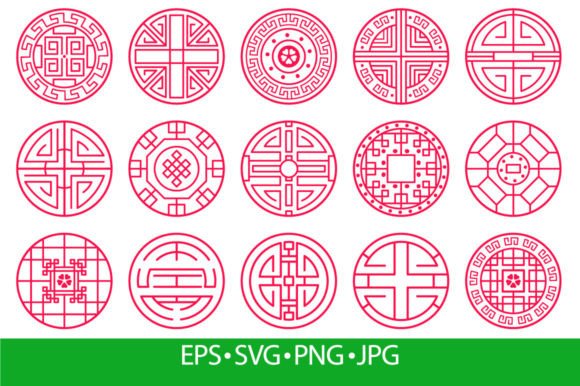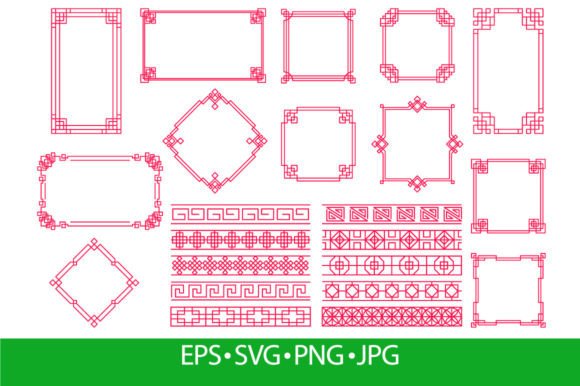
Traditional Chinese Ornament Decorative Graphics
The first impression of Traditional Chinese Ornament Decorative is one of rich cultural heritage and artistic elegance. These festive elements, frames, and borders evoke a sense of tradition, celebration, and craftsmanship. The intricate patterns and flowing lines create a mood that feels both timeless and sophisticated, making them ideal for brands looking to infuse their visuals with a touch of authenticity and visual depth.
Mood and Audience Perception
Traditional Chinese Ornament Decorative carries an emotional tone that resonates with audiences seeking connection to culture, artistry, and heritage. It can be used to attract customers who appreciate handmade products, lifestyle content, or event promotions. For small business branding, it offers a way to stand out without appearing cluttered or unprofessional. Its visual appeal makes it suitable for premium visuals, editorial graphics, and commercial marketing materials where aesthetics matter.
Performance in Real Marketing Situations
In brand identity projects, Traditional Chinese Ornament Decorative can serve as a strong visual anchor. When used in logo design, it adds a unique flair that differentiates a brand from competitors. In packaging design and product labels, it enhances the overall look while maintaining a professional appearance. Social media graphics, Instagram posts, and Pinterest pins benefit from its decorative elements, which add visual interest without overwhelming the message.
For digital ads, blog graphics, and website headers, these illustrations provide a cohesive visual language that supports content marketing efforts. They also work well in email banners, lead magnets, and media kits, offering a consistent design thread across multiple platforms. As a Canva template or printable design, they simplify the creative process for content creators and social media managers.
Supporting Marketing Goals
Traditional Chinese Ornament Decorative helps strengthen a brand’s first impression by adding a layer of sophistication and cultural relevance. It improves visual hierarchy by guiding the viewer’s eye through thoughtful placement and balance. For small business branding, it ensures consistency across all marketing materials, building stronger audience trust and recognition.
When used in product presentation, it elevates the perceived value of a digital product or physical item. Its ability to create an emotional connection with the audience makes it a powerful tool in content marketing. Whether used in event flyers, posters, or merchandise, it contributes to a more memorable campaign experience.
Best Use Cases
This graphic design asset shines in hero graphics, campaign headers, and product launch visuals where a bold, elegant statement is needed. As part of branded templates, it provides a foundation for social media covers, packaging accents, and content bundles. Promotional banners, editorial layouts, and decorative brand elements also benefit from its intricate details and cultural significance.
For creative marketplaces, it serves as a valuable addition to design bundles, offering versatility in SVG design, PNG design, and clipart formats. Its adaptability makes it a go-to resource for web design, digital ads, and editorial design projects.
Caution Areas
While Traditional Chinese Ornament Decorative is visually appealing, it should be used carefully in formal corporate branding where minimalism is key. In dense information layouts, it may distract from the main message. Small mobile graphics may require simplification to maintain clarity.
On low-contrast backgrounds, the design may not stand out as intended. Overly minimal brands might find it too ornate. Text-heavy ads risk overshadowing the primary content. Designers should ensure that the asset complements rather than competes with the core message.
Practical Brand Designer Notes
Before incorporating Traditional Chinese Ornament Decorative into a campaign, test it against the brand’s color palette to ensure harmony. Check how it performs in black and white to maintain versatility. Place it inside real campaign mockups to assess its impact in context.
Preview it on mobile screens to confirm readability at smaller sizes. Compare it against competitor visuals to ensure distinctiveness. Test how it pairs with different font styles—serif, sans serif, script, handwritten, or display fonts—to find the best match.
Review spacing and balance to avoid overcrowding. Confirm that the commercial license allows use in paid campaigns, client work, or business branding. This step is crucial for digital sellers and creative entrepreneurs who rely on legal compliance.
Conclusion
Traditional Chinese Ornament Decorative is a versatile graphic design asset that offers both aesthetic and functional value. Whether used in modern design, creative marketplace projects, or professional branding initiatives, it brings a level of sophistication that appeals to a wide range of audiences. For content creators and small business owners, it provides a powerful tool to enhance marketing visuals and build a stronger brand presence.