Decorative Ethnic Borders: A Versatile Graphic Design Asset for Local Business Branding
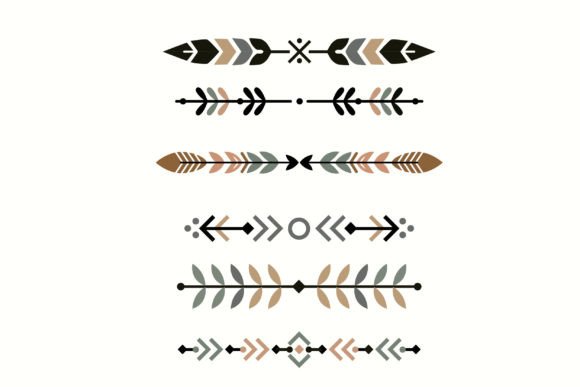
As a brand designer working with local businesses, I often look for design assets that not only add visual interest but also reflect authenticity and cultural sensitivity. When I first reviewed the Decorative Ethnic Borders graphic design asset, I was immediately drawn to its intricate patterns and rich symbolism. This vector set of ethnic borders featuring American Indian motifs offers a unique opportunity for small business owners to enhance their product labels, packaging accents, and promotional materials with meaningful illustrations.
Ethnic Borders That Evoke Tradition and Warmth
The Decorative Ethnic Borders create a strong sense of tradition and craftsmanship, making them ideal for brands rooted in heritage or artisanal values. The mood they establish is both respectful and inviting—perfect for a handmade soap shop, a boutique store selling indigenous-inspired apparel, or a coffee roastery emphasizing organic sourcing and community ties.
Visually, these graphics suggest a brand personality that’s earthy, authentic, and community-focused. They feel more handmade, organic, and festive than modern or minimalist, which makes them well-suited for niche markets like florists, candle brands, or seasonal campaigns. However, it's important to ensure the motifs align with your brand story and target audience to avoid misrepresentation.
Real-World Applications for Boutique and Local Businesses
Let’s imagine using this asset in a real branding project for a local skincare brand that emphasizes natural ingredients and traditional healing methods. These ethnic borders could frame product labels, giving each item a distinct visual signature. Their use on packaging accents would help elevate the perceived value of the product while maintaining an approachable and grounded aesthetic.
For food-related businesses such as artisan bakers or home decor shops, these borders can be integrated into hero graphics for social media content or printed flyers. Whether you're designing a product mockup for an online marketplace or preparing printable inserts for retail packaging, the versatility of this illustration set shines through.
- Logo Design: Use the border as a subtle background element to frame a central logo without overpowering it.
- Brand Identity: Incorporate the pattern into consistent design elements across all touchpoints for cohesive storytelling.
- Product Labels: Wrap around key product names or taglines to draw attention and reinforce brand recognition.
- Packaging Design: Apply as a decorative edge or corner detail to differentiate from competitors and increase shelf appeal.
- Social Media Graphics: Add a border around images or text blocks to create visually striking posts that stand out in feeds.
Enhancing First Impressions and Customer Trust
When used thoughtfully, decorative ethnic borders can significantly improve the first impression of a product. For a children’s product brand, the motif adds a layer of cultural appreciation and warmth, helping to build an emotional connection with parents who seek educational and inclusive values in what they buy.
These illustrations also contribute to clearer visual hierarchy by guiding the viewer’s eye along the page. In editorial design or price lists, placing a border at the top or bottom of sections can subtly organize information without disrupting the flow. This kind of structured yet artistic layout helps in building customer trust and a more professional brand identity.
Where These Borders Truly Shine
Some of the best places to implement these borders include:
- Product Label Accents: Especially for items like jams, teas, or candles where a personal, handcrafted look is desired.
- Promotional Banners: Ideal for seasonal campaigns or local events where a festive, cultural vibe is appropriate.
- Thank-You Cards: Adding a border here can make your customer appreciation efforts feel more heartfelt and intentional.
- Boutique Visuals: Perfect for storefront signage, hang tags, or window displays that aim to tell a story.
- Editorial Layouts: Can frame blog headers, newsletter sections, or printable guides for educational purposes.
Their availability in SVG, EPS, PNG, PDF, and JPG formats ensures flexibility whether you’re working on digital or print projects. As a designer, I appreciate the editability of the vector files, allowing me to scale the borders seamlessly for anything from a large poster to a tiny sticker.
Design Considerations and Best Practices
While the Decorative Ethnic Borders are incredibly versatile, there are several practical considerations to keep in mind before finalizing their use in your branding:
- Test It on Real Packaging Mockups: See how it looks when applied to actual product dimensions and surfaces.
- Check Black and White Usage: Ensure the borders still work effectively in grayscale, especially if you plan to print in monochrome.
- Preview on Small Labels: Avoid overcrowding smaller spaces like tags or seals; simplify the design if needed.
- Test With Brand Colors: Overlay the borders on your existing color palette to confirm harmony and legibility.
- Compare With Competitor Packaging: Make sure the design stands out in a good way and doesn’t copy others too closely.
- Review Print Quality: Confirm the resolution holds up when printed at high quality for physical products.
- Inspect PNG Transparency: If you're using the PNG file for digital overlays or web banners, verify that the transparency works correctly.
- Test Font Pairings: Try pairing the border with different typefaces—serif, sans serif, script, and display fonts—to find the most readable and complementary combinations.
- Confirm Commercial Licensing: Always check the terms of use to ensure the asset can be legally used for your specific business needs, including physical product sales or client work.
Cultural Sensitivity and Ethical Branding
In today’s market, ethical branding is more important than ever. While the Decorative Ethnic Borders offer a beautiful and culturally rich addition to your designs, it's essential to understand the context behind the motifs. Are they inspired by a specific tribe or region? How do they fit within your brand’s narrative?
For example, if you're a local coffee shop wanting to incorporate these borders into your menu design, consider how the patterns connect with your sourcing practices or community partnerships. The goal is to use these illustrations as part of a larger story rather than just for aesthetics. Done right, they can strengthen your brand presentation and foster deeper connections with customers who value authenticity.
Use Carefully in Certain Contexts
Although these borders are powerful, they may not suit every design scenario. Here are some areas where caution is advised:
- Formal Corporate Branding: These patterns may clash with the clean, structured visuals expected in more formal industries.
- Very Small Labels: Tiny spaces can cause the details to become unreadable or lose impact.
- Crowded Product Packaging: Too many design elements can confuse the message and reduce effectiveness.
- Ingredient-Heavy Layouts: Prioritize readability over decoration when critical information must be clearly visible.
- Legal Information Areas: Avoid using complex graphics where clarity and professionalism are paramount.
- Low-Contrast Backgrounds: Test the visibility of the borders against your chosen background colors or textures.
- Luxury Minimalist Brands: The busy nature of the design might conflict with the understated elegance of a minimalist brand.
Integrating Into Your Creative Workflow
One of the biggest advantages of having access to editable formats like SVG and EPS is the ability to customize the design to match your brand exactly. You can adjust line weights, colors, and spacing to ensure it fits perfectly within your existing design system.
If you're using tools like Canva or Adobe Illustrator, these files will integrate smoothly into your templates. For those working with clipart or basic design software, the PNG and JPG versions provide excellent results for quick edits or simple layouts.
Consider creating a Canva template for your team or clients that includes the borders as a background or frame layer. This streamlines the creation of social media graphics, flyers, or posters while keeping your brand voice consistent.
Final Thoughts for Brand Designers and Small Business Owners
Overall, the Decorative Ethnic Borders graphic design asset is a valuable tool in any brand designer’s toolkit. When used with care and intention, they can help local businesses stand out in crowded markets, build stronger emotional connections with their audience, and present a more polished and professional image.
Whether you're crafting a new brand identity, redesigning product labels, or planning a seasonal campaign, these illustrations offer a thoughtful way to bring culture, character, and consistency into your visual storytelling. Just remember to always align the design with your brand values and test its usability across multiple platforms and sizes before committing to full-scale production.