Decorative Stained Glass Butterfly: A Vibrant Graphic for Creative Projects
As a professional graphic designer who regularly works with branding, packaging, and digital campaigns for small businesses and creative entrepreneurs, I often find myself sifting through design assets to locate the perfect visual element. Recently, I came across the Decorative Stained Glass Butterfly, and it immediately caught my eye—not just for its aesthetic appeal, but for how well it might serve in various client-facing projects. Let me walk you through my evaluation process and explain whether this illustration is worth considering for your next design task.
A First Impression of Visual Elegance and Whimsy
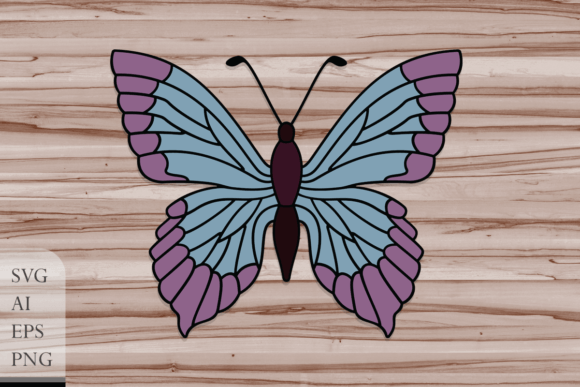
The first thing that stands out about the Decorative Stained Glass Butterfly is its intricate detail and vivid color palette. It feels like stepping into a vintage cathedral window or an art deco-inspired piece—there’s a level of craftsmanship that makes it feel hand-drawn yet professionally refined. The butterfly isn’t just a simple line drawing; it has depth, texture, and a stained glass effect that gives it a unique character.
This kind of illustration naturally evokes a sense of elegance, nostalgia, and organic beauty. It fits well within themes such as nature, spirituality, artisanal products, and seasonal motifs. For a handmade business or a boutique brand aiming to communicate authenticity and creativity, this asset could be a game-changer. But before jumping to conclusions, let’s test it against some real-world design scenarios.
Real-World Application in Branding and Marketing
In logo design, the butterfly’s complexity might not translate well if used at a small scale. However, when applied as part of a larger branded pattern or background element, it adds a rich, decorative layer. For instance, a local wellness brand launching a new line of aromatherapy candles could use this butterfly subtly behind their logo to enhance the overall visual mood without overpowering it.
When it comes to product labels or packaging design, the butterfly can work wonders. Its stained glass look brings a touch of sophistication and artistic flair, which would complement natural or eco-friendly product lines. Imagine it subtly embedded into a paper label on a jar of homemade jam or a candle box—it elevates the design from basic to boutique instantly.
For social media graphics, especially those targeting niche audiences like Etsy shops or lifestyle bloggers, the butterfly can serve as a decorative accent. It pairs beautifully with soft pastel tones, floral typography, and minimalist layouts where it can act as a focal point rather than a distraction. The 300 DPI PNG with transparent background ensures it stays crisp and clear even when scaled up for hero banners or Pinterest pins.
Performance in Digital and Print Contexts
One of the key strengths of this design asset is its versatility across both digital and print platforms. The SVG, AI, and EPS formats included in the design bundle make it easy to manipulate and scale without losing quality. Whether you're creating a Canva template or designing for a Cricut project, the vector options allow for seamless integration into layered compositions.
The high-resolution PNG (4775X3923 pixels) is ideal for large layout areas such as posters, flyers, or printable wall art. It retains clarity when printed on textiles like t-shirts, mugs, or tote bags, making it a solid choice for print-on-demand sellers. However, when using it in smaller sizes—for example, as part of a sticker design or in a tight grid layout—you’ll want to simplify or isolate certain elements to avoid clutter.
Design Asset Suitability by Project Type
- Large Layout Areas: The butterfly shines here. Its detailed wings and ornate patterns are best appreciated at full size, where they can contribute to the visual storytelling of a poster, event invitation, or editorial spread.
- Hero Graphics: As a central image in a campaign, the butterfly can anchor a theme, especially for seasonal content like spring promotions, botanical collections, or spiritual retreats.
- Product Mockups: When placed over mockups of greeting cards, notebooks, or home décor items, it enhances the perceived value of the product, giving it a more curated and bespoke appearance.
- Themed Collections: This asset is perfect for building cohesive visual sets around nature, transformation, or personal growth—common themes in mindfulness brands or children’s educational materials.
- Creative Marketplace Listings: Sellers on Etsy or similar platforms can use the butterfly in backgrounds, headers, or as part of sublimation designs for custom merchandise.
That said, there are situations where this graphic may not be the best fit. If your project demands a clean visual hierarchy, such as corporate brochures or technical presentations, the Decorative Stained Glass Butterfly could become a distraction. Its ornate style doesn’t align with modernist or minimalist aesthetics, so it should be used carefully in those contexts.
Testing the Design for Commercial Use
- Black and White Test: While the colors are vibrant, the design still holds up in grayscale. The contrast between the stained glass sections remains visible, preserving much of the original charm.
- Background Contrast: Place the butterfly on both light and dark backgrounds to ensure it maintains visibility. On darker tones, consider adjusting the transparency or overlaying a subtle gradient.
- Small vs. Large Sizes: At smaller sizes, the fine details get lost, so it's better suited for accents rather than icons. In larger formats, it becomes a standout feature.
- Mockup Integration: Try placing it on mockups of actual products. You'll see how it interacts with shadows, textures, and lighting—this helps determine its realism and marketability.
- Print Quality Check: Use a low-cost print sample to evaluate how the colors render on physical materials. The 300 DPI PNG should provide good results, but always verify with your printer.
- File Format Review: The SVG and AI files are fully editable, allowing for customization of colors, shapes, and composition. This flexibility is a big plus for designers looking to adapt the asset to specific brand needs.
- Font Pairing Test: Compare it with different font styles—serif, sans serif, script, handwritten, display—to find the right balance. It pairs particularly well with cursive and ornate fonts for a harmonious, thematic feel.
- Licensing Confirmation: Before assigning it to any client project, double-check the commercial license. This ensures you can use it legally in logos, packaging, and digital sales without restrictions.
Impact on Readability and Brand Consistency
Because of its decorative nature, the butterfly can influence readability depending on how it’s used. When overlaid on text-heavy designs, it may interfere with legibility unless properly masked or faded. That being said, it excels in supporting brand identity by adding a memorable visual motif. For a handmade business or a small studio promoting eco-conscious values, the butterfly can reinforce the idea of transformation, beauty, and attention to detail.
Its emotional appeal is strong—it invites curiosity and warmth. Viewers tend to associate butterflies with change, freedom, and nature, which can subtly boost audience engagement. However, don't rely solely on this asset to carry your message. It should support, not overshadow, the core communication of your design.
Where This Asset Might Fall Short
While the Decorative Stained Glass Butterfly is visually compelling, it’s not universally applicable. Here are a few places where it should be used with caution:
- Minimalist Branding: Its ornate style clashes with clean, modern aesthetics.
- Corporate Materials: Unless the company has a very creative or heritage-driven identity, it may come off as too whimsical.
- Crowded Layouts: Overusing it in a single design can lead to visual fatigue. Use it sparingly for maximum impact.
- Low-Contrast Designs: The muted tones of the butterfly may fade into the background if not given enough contrast.
Why It Could Be a Valuable Addition to Your Toolkit
Despite its limitations, the Decorative Stained Glass Butterfly offers a unique visual identity that can elevate many types of creative projects. Its high-quality file formats mean it can be adapted for everything from web design to sublimation prints. And because it’s available in transparent PNG format, it’s easy to integrate into layered designs without worrying about background bleed-through.
It also adds a human touch to digital products, which is increasingly important in a world saturated with flat and generic visuals. Whether you’re crafting a Canva template for a seasonal campaign or designing a set of editorial illustrations for a blog post, this asset can help your work stand out while maintaining professionalism.
Final Designer Notes
If you’re working with a client who wants something more than stock clipart—something that feels handcrafted and meaningful—the Decorative Stained Glass Butterfly could be exactly what you need. Just keep in mind that it’s best used in contexts where detail and symbolism are welcome.
I recommend previewing the butterfly in multiple scenarios before finalizing a project. Test it on mockups, try it with different fonts, and assess how it affects the overall tone of your design. And always confirm the commercial license is appropriate for your intended use—whether it’s for a digital storefront, a print-on-demand listing, or a brand identity package.
Ultimately, the Decorative Stained Glass Butterfly is a strong graphic design asset that belongs in the toolkit of anyone working with illustrative elements. It brings a sense of artistry and intentionality to the table, helping turn standard graphics into something truly special.