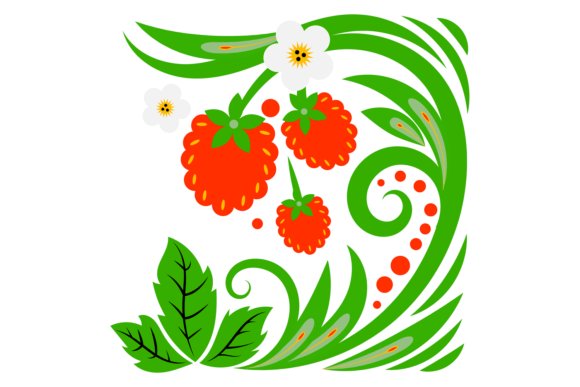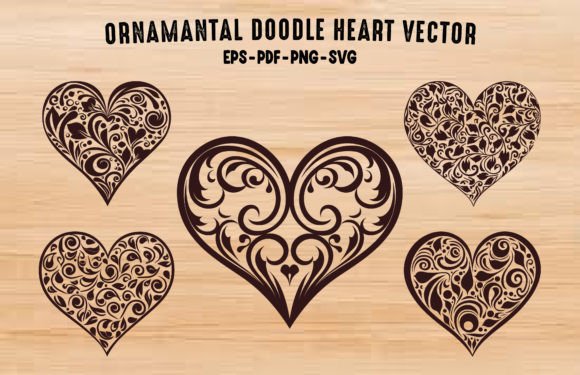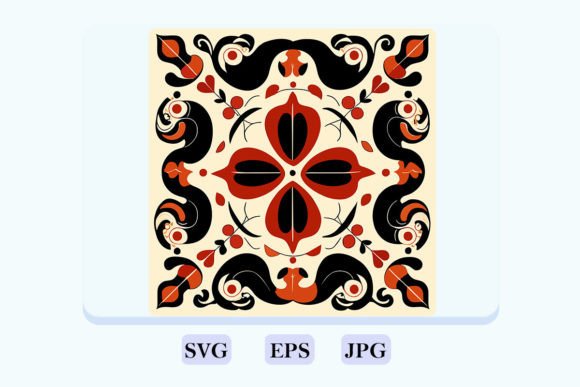
Decorative Graphics & Illustrations
As a brand designer with years of experience, I've had the chance to review countless graphic design assets. Decorative stands out as a versatile and high-quality option for small business branding, product packaging, and promotional materials. Its visual appeal and flexibility make it an ideal choice for local businesses looking to elevate their brand presence.
The First Impression of Decorative
From the moment I saw Decorative, I was struck by its elegant and refined aesthetic. The design exudes a sense of sophistication while maintaining a friendly and approachable vibe. It feels like a perfect fit for small businesses that want to project a premium image without sacrificing warmth or personality.
Whether it's used in a bakery, a boutique, or a handmade soap business, Decorative adds a touch of class and creativity. Its style suggests a brand that values quality, attention to detail, and artistic expression. This makes it especially suitable for businesses targeting customers who appreciate thoughtful design and unique presentation.
Real-World Applications of Decorative
One of the most valuable aspects of Decorative is its versatility. It can be used across a wide range of design projects, from logo design to packaging design. For example, when working on a local coffee shop’s brand identity, I incorporated Decorative into the product label and packaging accents to create a cohesive look that stood out on the shelf.
It also works well in social media graphics, website banners, and promotional ads. When designing a seasonal campaign for a floral business, I used Decorative as a hero graphic to draw attention and reinforce the brand’s visual language. Its ability to adapt to different formats and sizes makes it a powerful tool for any creative entrepreneur.
Supporting Business Presentation
Using Decorative in a small business branding project can significantly enhance the overall presentation. It helps create a stronger first impression, making the brand more memorable and recognizable. When paired with the right typography and color scheme, it contributes to a clearer visual hierarchy, ensuring that key messages are communicated effectively.
For a handmade soap business, I used Decorative on hang tags and thank-you cards, which added a personal and professional touch. These elements helped build customer trust and reinforced the brand’s commitment to quality. Similarly, in a food label design, Decorative provided a decorative yet functional element that enhanced the product’s appeal without overwhelming the essential information.
Where Decorative Shines
Decorative excels in areas where visual interest and brand personality are important. It works particularly well as a product label, packaging accent, or decorative brand element. When used in a product mockup, it adds depth and dimension, making the design more engaging and appealing.
It also shines in promotional banners, seasonal packaging, and social media campaign graphics. For a holiday-themed campaign, I used Decorative to create eye-catching visuals that aligned with the brand’s festive spirit. Its adaptability made it easy to integrate into various marketing materials, helping to maintain a consistent brand identity across all channels.
When to Use Decorative Carefully
While Decorative is a strong asset, there are situations where it should be used with caution. In formal corporate branding, where simplicity and clarity are key, it may not be the best choice. Similarly, on very small labels or crowded product packaging, it could become distracting rather than enhancing the design.
In layouts that include a lot of text, such as ingredient-heavy labels or legal information areas, it's important to ensure that the decoration doesn’t compete with the content. Low-contrast backgrounds can also diminish its impact, so careful consideration is needed when selecting the right background for the design.
Practical Designer Notes
Before finalizing any design, I always recommend testing Decorative on real packaging mockups to see how it looks in physical form. Checking its appearance in black and white can reveal how effective it is as a standalone element. Previewing it on small labels ensures that it remains legible and visually appealing at reduced sizes.
Testing it with brand colors is essential to ensure that it complements the overall palette. Comparing it with competitor packaging helps identify how it stands out in the market. Reviewing PNG transparency and inspecting SVG or vector editability can provide insights into its flexibility for future modifications.
It's also useful to test Decorative beside different font styles—serif, sans serif, script, handwritten, and display fonts—to see how it interacts with typography. Finally, confirming commercial licensing before using it for client work or physical product sales is crucial to avoid any legal issues.
Why Decorative Is a Valuable Asset
For small business branding, Decorative offers a powerful way to enhance visual storytelling and brand recognition. Whether you're designing for a local bakery, a skincare brand, or a handmade business, it provides a professional and polished look that can set your products apart.
As a graphic design asset, it supports multiple applications, from packaging design to social media graphics. Its availability in several file formats, including SVG, JPG, and AI, ensures that it can be easily integrated into various workflows. For creative entrepreneurs and marketers, it's a reliable tool that can help bring ideas to life with ease and efficiency.