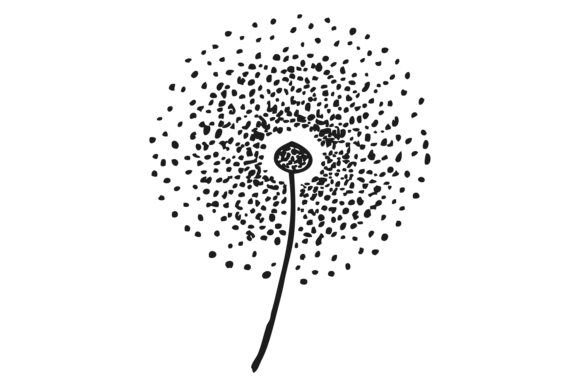
Decorative Dandelion Sketch. Hand Drawn
The Decorative Dandelion Sketch. Hand Drawn is a minimalist, hand-drawn illustration that exudes a soft, whimsical charm. Its clean lines and delicate details make it ideal for projects that require a touch of nature-inspired elegance. The design is isolated on a white background, making it easy to adapt for various embroidery applications without worrying about unwanted elements.
A First Impression of Delicate Beauty
As soon as I laid eyes on the Decorative Dandelion Sketch. Hand Drawn, I was struck by its simplicity and the way it captures the essence of a dandelion in a single, elegant stroke. The sketch feels like an artist’s quick, confident gesture—raw yet refined. It doesn’t scream for attention but instead invites you to look closer, appreciating the subtle curves and negative space that define the flower’s form.
This design would thrive in projects that aim for a natural, handmade aesthetic. Think personalized baby items, vintage-style tote bags, or embroidered patches that feel like they were drawn by hand rather than generated by a machine. The visual personality of the design is quiet but memorable, which makes it perfect for subtle, thoughtful gifts or boutique merchandise.
Real-World Embroidery Applications
I tested the Decorative Dandelion Sketch. Hand Drawn on a few different fabrics to see how it would translate into real embroidery work. On cotton canvas, it looked crisp and clear, with enough detail to stand out without being overwhelming. On a lighter fabric like linen, the design still held up well, though the contrast between the ink and the fabric was less pronounced.
For custom apparel, this design works best on light-colored garments where the ink can pop. It’s not the best choice for dark fabrics unless you’re using a contrasting thread color. In my testing, a medium gray thread provided a nice balance, allowing the design to remain visible without clashing with the background.
When used on a sweatshirt or tote bag, the Decorative Dandelion Sketch. Hand Drawn adds a personal, artistic touch that feels unique. It’s especially effective when paired with other simple, hand-drawn elements to create a cohesive theme. For example, pairing it with a small leaf or cloud design could create a mini collection of embroidery pieces that feel part of a larger story.
Where to Use It Carefully
While the Decorative Dandelion Sketch. Hand Drawn is versatile, there are certain situations where it might not perform as well. If you're working with a small hoop size, the design may need to be adjusted or split into sections to fit properly. The intricate details might get lost if the hoop is too tight or the stitch density is too high.
On textured fabrics like denim or corduroy, the design can sometimes look flat or uneven. This isn’t a flaw in the design itself, but rather a consideration when selecting the right fabric for your project. Thin or stretchy fabrics also pose challenges, as the design may pucker or distort during stitching.
For curved surfaces like caps or hats, the design might require some minor adjustments to ensure it lies flat and doesn’t twist during the embroidery process. Similarly, if you're planning to use this design on a product that will be washed frequently, you’ll want to test it thoroughly to ensure the stitches hold up over time.
Impact on Visual Appeal and Customer Perception
The Decorative Dandelion Sketch. Hand Drawn has a strong visual appeal that can elevate any embroidery project. Its clean, hand-drawn style gives it a handmade quality that many customers find appealing, especially those looking for unique, personalized gifts. When stitched onto a tote bag or pillow cover, it adds a sense of care and intentionality that can make a finished product feel more special.
From a business perspective, this design can enhance the perceived value of your products. Customers often associate hand-drawn or illustrated designs with higher quality and craftsmanship, even if the production process is automated. This can help justify a slightly higher price point or differentiate your offerings from mass-produced alternatives.
It also plays well into brand consistency. If your shop or business has a theme centered around nature, art, or minimalism, the Decorative Dandelion Sketch. Hand Drawn fits naturally into that aesthetic. It can be used across multiple product types, from apparel to home decor, reinforcing a cohesive brand identity.
Practical Tips for Designers and Sellers
Before using the Decorative Dandelion Sketch. Hand Drawn in your projects, always test it on scrap fabric first. This helps you understand how the design interacts with different materials and how the stitch density affects the final outcome. Pay close attention to the fine details—sometimes small elements can be lost in the embroidery process if not properly adjusted.
Check thread color contrast carefully, especially if you plan to use this design on dark fabrics. A black thread might look great on white, but it could blend in too much on a darker background. Also, review the stitch density settings to ensure the design doesn’t become too dense or too sparse.
If you’re selling this design as a digital product, make sure to confirm the licensing terms before offering it for sale. Some designs may have restrictions on commercial use, so it’s important to verify that you’re compliant with any applicable rules.
Final Thoughts on the Decorative Dandelion Sketch. Hand Drawn
The Decorative Dandelion Sketch. Hand Drawn is a design that feels both intentional and free-spirited. It’s perfect for anyone looking to add a touch of nature and artistry to their embroidery projects. Whether you're creating custom apparel, personalized gifts, or small shop merchandise, this design offers a unique, hand-crafted feel that can resonate with a wide range of customers.
With proper testing and consideration for fabric type, hoop size, and stitch settings, the Decorative Dandelion Sketch. Hand Drawn can become a staple in your design library. It’s a reminder that even the simplest sketches can carry a lot of emotional weight—and that sometimes, less is more when it comes to embroidery artistry.